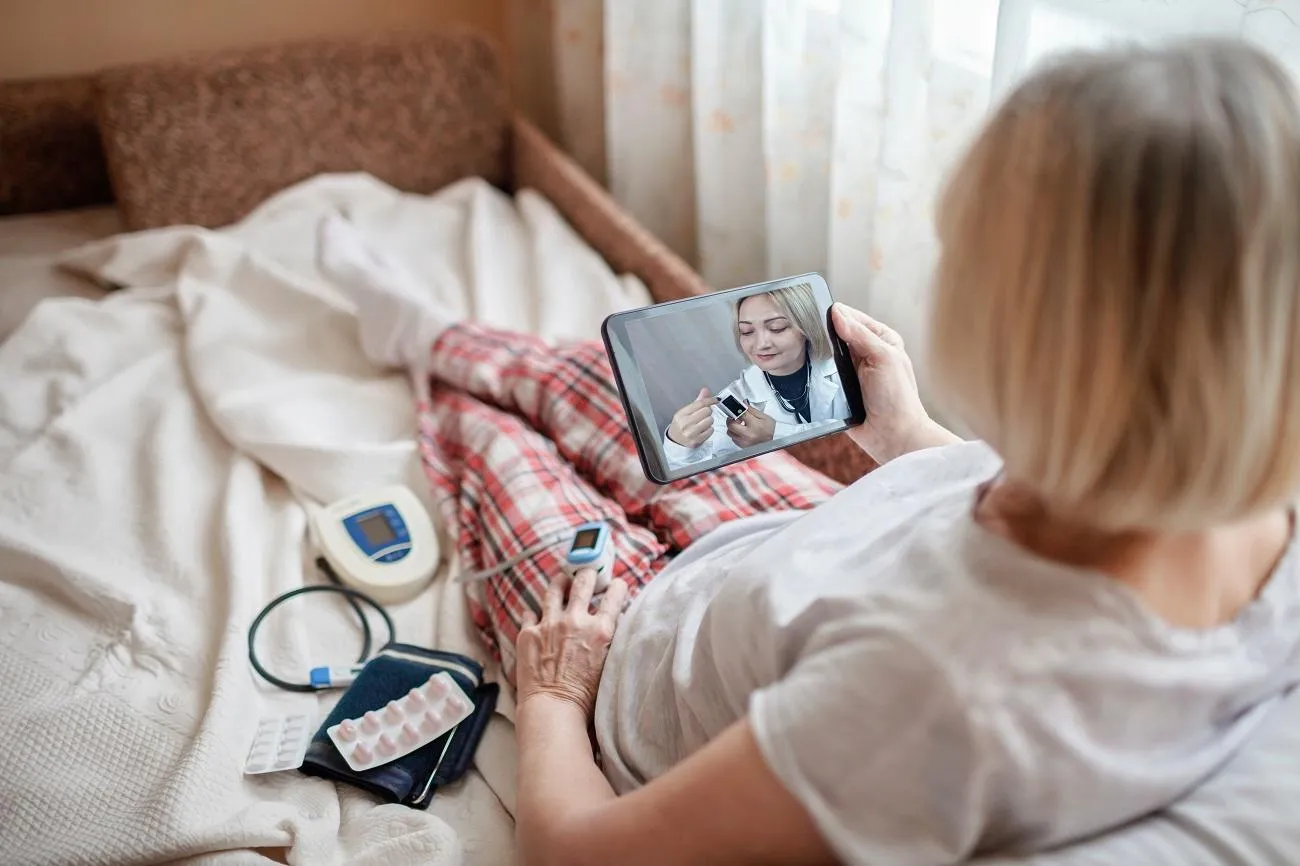
Patient Monitoring & Clinical Support
ObvioHealth and SPRIM PRO help pharmaceutical and biotechnology companies design and manage patient-monitoring programs from late-stage clinical development through commercialization and post-market support.
Maintain visibility between visits, route defined events to the appropriate teams, and support patients without coordinating multiple technology and service providers.
Explore REMS CapabilitiesSpecialty medicines, biologics, cell and gene therapies, and other high-touch treatments often require ongoing visibility beyond traditional clinical and care settings.
Sponsors need flexible ways to collect patient information, maintain oversight, coordinate follow-up, and support patients without creating additional burden for sites, providers, and internal teams.
57% of novel FDA drug approvals between 2000–2024 were specialty medicines.¹ ¹Knox SE, Brennan CH, Enright DE, Neumann PJ, Chambers JD. FDA Approvals of Specialty Drugs, 2000–2024. Health Affairs Scholar. 2026;4(2):qxag035.


ObvioHealth and SPRIM PRO combine the technology and operational services required to design and deliver patient-monitoring programs around the needs of each therapy.
The technology layer for patient engagement, data collection, monitoring & workflow routing.
The clinical and operational layer supporting patients, care teams & program execution.

Patient symptoms, ePRO/eCOA, device data, and other program-defined information can be captured remotely.
Information flows into centralized digital monitoring workflows, giving clinical teams timely visibility into patient status.
Configured, program-defined thresholds help flag events and findings that meet criteria for clinical review.
Program-defined events are directed to the appropriate clinical, safety, pharmacovigilance, or patient-support team.
Clinical and patient-support teams can engage patients remotely when follow-up or intervention is required.
PURPOSE-BUILT FOR CAREGIVER–CHILD MONITORING
Pediatric rare disease and pediatric oncology programs often depend on data reported by a caregiver on behalf of a child, including data collected through REMS or other structured monitoring schedules. Getting that data right takes workflows designed around two connected roles—the caregiver and the child—rather than a single-patient model adapted after the fact.
ObvioHealth and SPRIM PRO bring years of hands-on experience designing caregiver-inclusive data collection for infant, early-childhood, and pediatric research. That experience shapes how we configure monitoring, attribute each data point to the right respondent, and support families for the program's full duration.
ObvioHealth and SPRIM PRO configure digital monitoring, clinical support, and patient services around each therapy's clinical and operational requirements.
Program-defined monitoring, documentation, and patient-support workflows designed around REMS requirements.
Caregiver-inclusive data collection and monitoring for pediatric rare disease and oncology programs.
Remote and in-person monitoring for complex administration, safety, and observation needs.
Digital monitoring and patient support for therapies requiring consistent, ongoing follow-up.
Monitoring and support aligned with scheduling, administration, and post-infusion follow-up.
Digital engagement, clinical operations, logistics, and care-team coordination in one program.
REMS & ENHANCED MONITORING
Risk Evaluation and Mitigation Strategies (REMS) programs increasingly call for structured monitoring, pharmacovigilance, and follow-up alongside required in-person elements of care. ObvioHealth and SPRIM PRO provide the digital monitoring, clinical support, and patient engagement capabilities sponsors can build REMS-aligned programs around.
Remote monitoring capabilities are designed to complement, not replace, required in-person observation and other mandated REMS activities, giving clinical teams additional visibility between and around those touchpoints.
MONITOR
RESPOND
COORDINATE
ObvioHealth and SPRIM PRO carry patient monitoring and clinical support forward across four stages, from late-stage clinical development through post-market care.
01
Digital monitoring and patient engagement built into late-stage clinical development programs.
02
Monitoring and patient-support infrastructure carried forward as a therapy approaches launch.
03
Structured monitoring and clinical support aligned to REMS and other enhanced-monitoring requirements.
04
Ongoing patient engagement and monitoring support that continues well beyond product launch.